
For many people, full-time RV living is about freedom, flexibility, and reducing the cost of everyday life. However, rising campground fees, higher fuel prices, and increasing living expenses have made that dream more expensive than ever. In some popular RV destinations, monthly campsite rates can easily exceed $1,500—sometimes costing as much as renting an apartment.
The good news is that affordable RV living is still possible if you know where to go. Across the United States, several states continue to offer inexpensive campgrounds, abundant public land for dispersed camping, favorable tax policies, and lower overall living costs. While “practically free” doesn’t mean completely free, choosing the right location can save thousands of dollars every year while allowing you to enjoy the freedom of life on the road.
In this guide, we’ll explore five of the best states for affordable RV living and explain why each one deserves a spot on your travel plans.
Quick Comparison
| Rank | State | Best For | Biggest Advantage |
|---|---|---|---|
| 1 | Arizona | Overall RV Lifestyle | Long-Term Camping & RV Community |
| 2 | Nevada | Off-Grid Camping | Massive public land & no state income tax |
| 3 | New Mexico | Free Boondocking | Extensive BLM land & mild winter weather |
| 4 | South Dakota | RV Domicile | No state income tax & simple residency |
| 5 | Arkansas | Budget Campgrounds | Affordable monthly RV sites & low living costs |
1. Arizona – The Best Overall State for Affordable RV Living
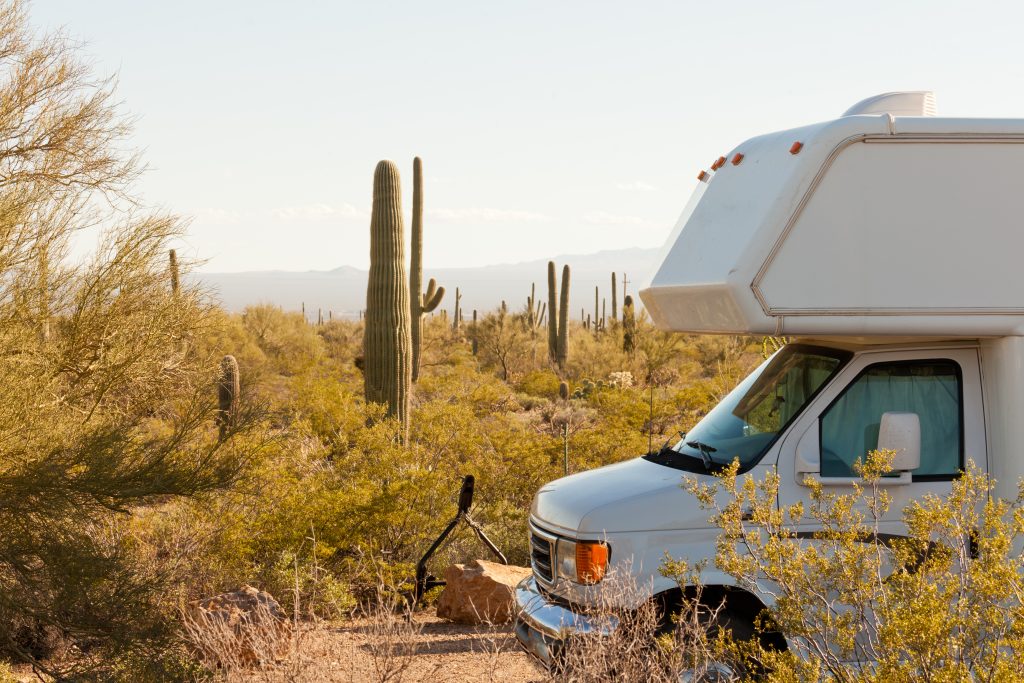
Arizona has earned its reputation as one of America’s premier destinations for full-time RVers, and for good reason. While it isn’t always the cheapest state, it offers one of the best combinations of affordability, convenience, climate, and community.
One of Arizona’s biggest attractions is its vast network of Bureau of Land Management (BLM) land, where dispersed camping is widely available. Unlike many other states that limit stays to the standard 14-day period, Arizona also features Long-Term Visitor Areas (LTVAs). With an affordable seasonal permit, RVers can legally camp for several months, making winter living remarkably inexpensive.
Weather is another major advantage. While northern states battle freezing temperatures and snow-covered roads, southern Arizona enjoys mild, sunny winters that reduce maintenance concerns such as frozen pipes and excessive heating costs.
Beyond affordability, Arizona offers something many travelers value just as much—a thriving RV community. Every winter, destinations like Quartzsite become gathering places for thousands of RV enthusiasts, creating opportunities to meet fellow travelers, exchange advice, shop for RV supplies, and enjoy a unique lifestyle centered around life on the road.
🟢 Pros
- Extensive public land
- Long-term camping options through LTVAs
- Mild winter climate
- One of the largest RV communities in North America
🔴 Cons
- Desert summers can be extremely hot
- Popular winter destinations can become crowded
2. Nevada – Best for Off-Grid Freedom
If your dream is waking up surrounded by open landscapes instead of neighboring campsites, Nevada deserves serious consideration.
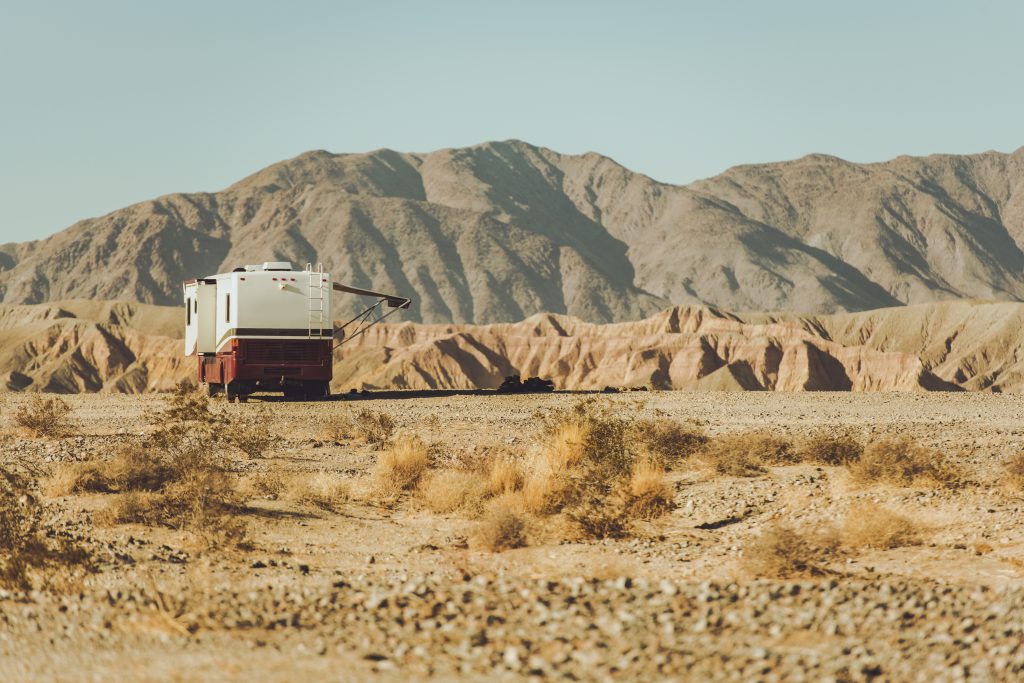
More than 80% of Nevada consists of public land, giving RVers countless opportunities for legal dispersed camping. Whether you’re exploring mountain ranges, desert valleys, or remote scenic areas, the state offers incredible flexibility for travelers who enjoy off-grid adventures.
Nevada also provides an important financial benefit—no state income tax. For retirees and remote workers, this can translate into meaningful long-term savings.
Although Nevada is famous for Las Vegas, much of the state offers a completely different experience. Alpine lakes, historic mining towns, quiet wilderness areas, and some of the darkest night skies in the country provide endless opportunities for exploration.
Living off-grid does require preparation. Many dispersed camping areas are remote, so planning ahead for water, propane, groceries, and fuel is essential. Summer temperatures can also become intense, making higher elevations more attractive during the hottest months.
🟢 Pros
- Largest percentage of public land in the Lower 48
- No state income tax
- Outstanding boondocking opportunities
- Incredible natural scenery
🔴 Cons
- Remote camping requires careful planning
- Extremely hot desert summers
3. New Mexico – A Boondocker’s Paradise
New Mexico offers one of the best balances between free camping and everyday convenience.
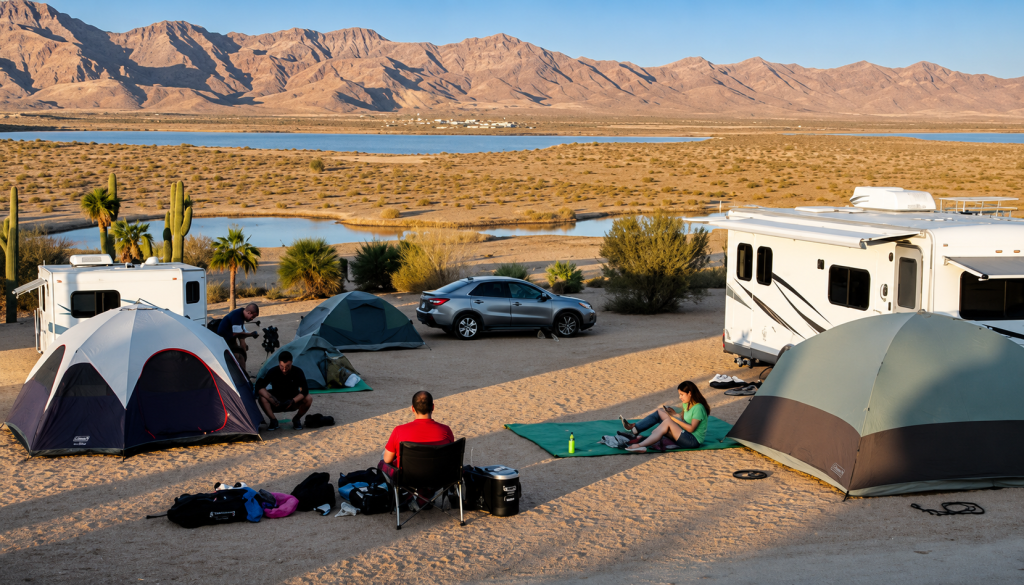
With millions of acres of Bureau of Land Management land and National Forests, the state provides abundant opportunities for dispersed camping, typically allowing stays of up to 14 days before relocating to another approved site. For experienced boondockers, this can reduce monthly housing expenses to almost nothing.
Unlike some remote camping destinations, many of New Mexico’s popular dispersed camping areas remain within reasonable driving distance of small towns. This makes it easier to refill water tanks, purchase groceries, refill propane, or access dump stations without traveling excessive distances.
Southern New Mexico is particularly attractive during winter thanks to its relatively mild temperatures. Many RVers choose the region specifically to avoid freezing conditions while continuing to enjoy outdoor activities throughout the season.
Living off-grid does require greater self-sufficiency. Solar power, water conservation, and careful waste management become essential parts of daily life, while cellular service may vary depending on location.
🟢 Pros
- Extensive free camping opportunities
- Mild winter weather
- Easy access to nearby services
- Beautiful desert landscapes
🔴 Cons
- Limited utilities while boondocking
- Some remote areas have inconsistent cell coverage
4. South Dakota – The Smart Choice for RV Domicile
South Dakota stands out for a completely different reason. Rather than focusing on free camping, it helps RVers save money through favorable tax policies and residency benefits.
The state has no state income tax, making it especially attractive for retirees, remote workers, and anyone earning income while traveling full time. It also offers a straightforward residency process and relatively affordable vehicle registration, which explains why South Dakota license plates are common in campgrounds across the country.
Although South Dakota has plenty of reasonably priced campgrounds, many full-time RVers use it primarily as their legal domicile while spending winters in warmer states such as Arizona or New Mexico.
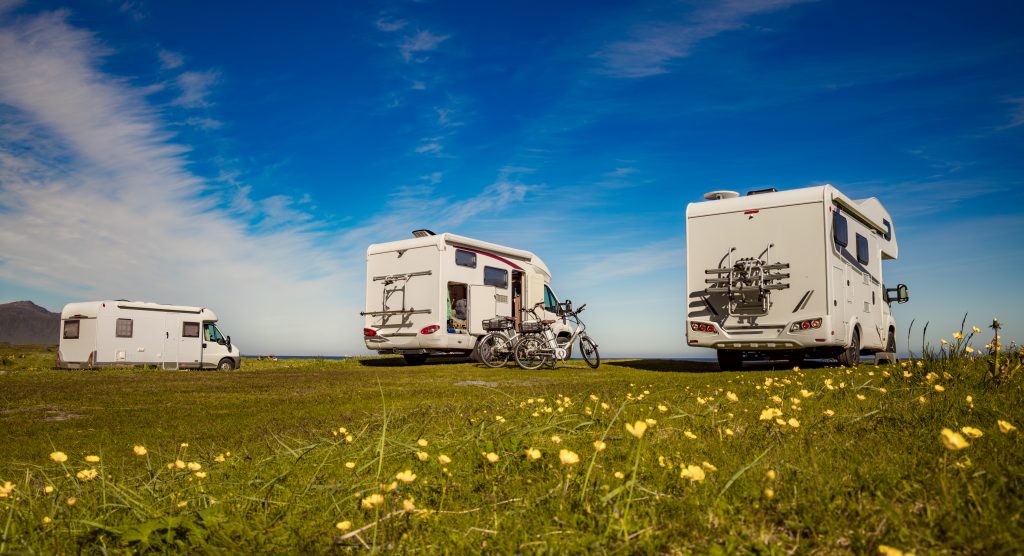
The main drawback is its climate. Winters are long and cold, making year-round camping less appealing for many travelers.
🟢 Pros
- No state income tax
- Simple residency requirements
- Affordable vehicle registration
- Popular domicile choice for full-time RVers
🔴 Cons
- Harsh winter weather
- Smaller selection of major RV resorts
5. Arkansas – Affordable Everyday Living
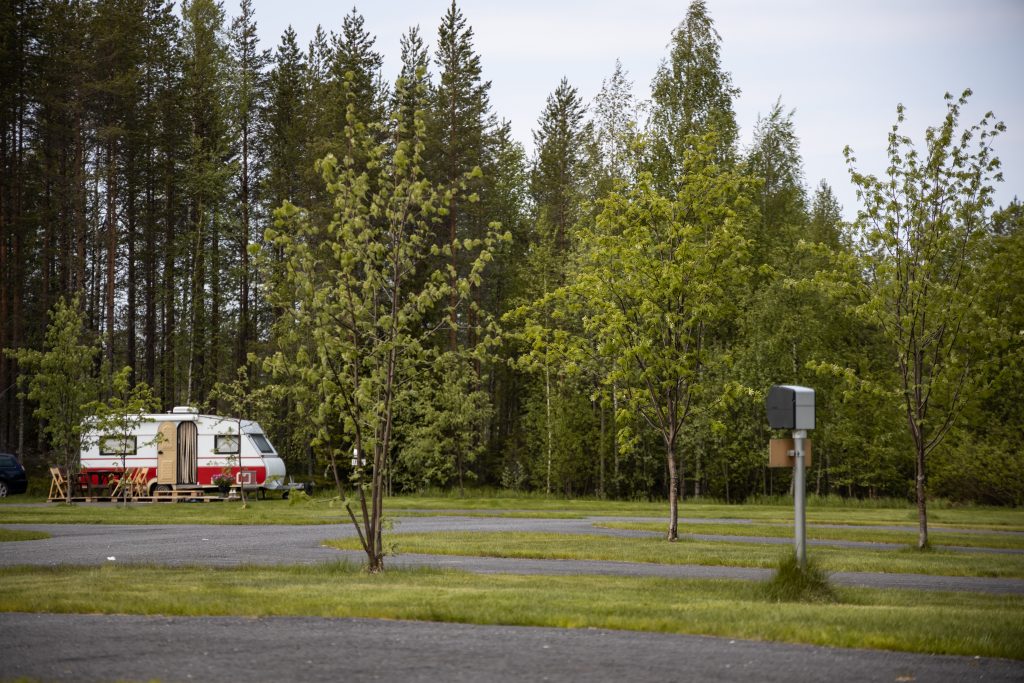
Arkansas may not receive the same attention as Arizona or Florida, but that’s exactly what helps keep it affordable. In many smaller communities, long-term RV sites remain surprisingly budget-friendly, with monthly rates often ranging between $300 and $450, making Arkansas one of the most affordable states for RV park living.
Savings don’t stop with campground fees. Fuel prices, groceries, utilities, and propane are generally more affordable than in many coastal states, reducing overall living expenses throughout the year.
Another advantage is availability. Unlike heavily visited RV destinations that require reservations months in advance, Arkansas often offers greater flexibility and less competition for long-term campsites.
While Arkansas has fewer opportunities for free dispersed camping compared to western states, it remains an excellent option for RVers who prefer full-hookup campgrounds at reasonable prices.
🟢 Pros
- Affordable monthly campground rates
- Lower everyday living expenses
- Less crowded RV parks
- Relaxed pace of life
🔴 Cons
- Limited public land for boondocking
- Hot, humid summers with mosquitoes
How to Make RV Living “Practically Free”
Living in an RV for very little money isn’t about finding one magical campground where everything is free. Instead, it’s about combining several smart strategies that experienced full-time RVers use to keep monthly expenses under control.
One of the most effective methods is dispersed camping, also known as boondocking. Public lands managed by the Bureau of Land Management (BLM) and the U.S. Forest Service allow RVers to camp in designated areas without paying nightly campground fees. In most locations, the standard stay is up to 14 days, after which you’ll need to move to another approved campsite before returning later.
To make this lifestyle comfortable, many RVers invest in a few key upgrades, including:
- Solar panels or portable solar generators
- Larger freshwater and wastewater capacity
- Extra battery storage
- Portable water containers
- Reliable internet solutions for remote work
Another important consideration is choosing the right domicile state. States like South Dakota can significantly reduce annual costs through lower vehicle registration fees and the absence of state income tax. While you may spend most of your time traveling elsewhere, selecting a tax-friendly home state can result in substantial long-term savings.
It’s also worth remembering that “practically free” doesn’t mean spending nothing. You’ll still need to budget for essentials such as fuel, food, insurance, maintenance, propane, and occasional campground stays. However, by combining affordable camping with smart financial planning, many full-time RVers spend far less on housing than traditional homeowners or apartment renters.
The key is flexibility. The more willing you are to move with the seasons, explore public lands, and adapt your travel schedule, the easier it becomes to keep costs low while enjoying everything the RV lifestyle has to offer.
Conclusion
Finding affordable places to live in an RV has become more challenging in recent years, but it’s far from impossible. By choosing the right state, understanding public land regulations, and taking advantage of tax-friendly residency options, you can dramatically reduce your monthly living expenses without sacrificing the freedom that makes RV travel so rewarding.
Arizona stands out as the best all-around destination thanks to its excellent climate, extensive public land, and vibrant RV community. Nevada and New Mexico are outstanding choices for boondockers seeking breathtaking scenery and minimal camping costs, while South Dakota continues to be one of the smartest financial home bases for full-time RVers. If you prefer the comfort of full-hookup campgrounds without paying premium prices, Arkansas remains one of the country’s best-kept secrets.
No matter which destination you choose, the real value of affordable RV living isn’t simply saving money—it’s gaining the freedom to spend more time exploring new places, meeting fellow travelers, and creating unforgettable experiences on the open road.
🎥 Watch the Full Video
YouTube Video: 5 States Where RV Living Is Practically FREE!